


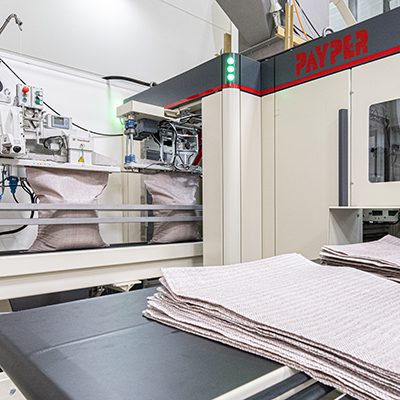
Efficient Aqua Feed bagging ensures product quality, precise weighing, and optimized logistics in post-extrusion aquaculture feed production.
Within the aquaculture feed production chain, the bagging stage plays a crucial role in both product quality and operational efficiency. After extrusion, cooling, and drying, feed must be properly packaged to ensure safe transport, storage, and distribution.
Rather than being a simple final step, Aqua Feed bagging ensures that pellets, flours, and microparticles maintain their physical and nutritional properties until they reach aquaculture producers.
Aquaculture feed is a highly formulated product that combines proteins, fats, carbohydrates, and micronutrients tailored to each species. Once pellets leave the extruder, preserving their stability and consistency becomes essential.
A reliable bagging system helps prevent weight deviations, protects the product from external factors, and improves logistics efficiency. As the aquaculture industry continues to expand globally, producers must ensure every bag meets strict quality standards while maintaining a safe and repeatable process.
Bagging aquaculture feed presents several technical challenges that require specialized solutions.
Modern bagging solutions combine precision, automation, and digitalization to improve efficiency and product protection.
Advanced weighing and dosing systems are key to maintaining consistent bag weights and reducing product loss. Technologies such as PAYPER’s MSX weighing controller ensure stable and precise filling even in high-volume production environments.
Flexible bagging equipment allows manufacturers to handle different bag sizes and materials while maintaining productivity. This adaptability enables producers to respond to varying market demands without disrupting operations.
Automated palletizing systems also contribute to a more efficient logistics chain by creating stable pallet loads that improve transport safety and warehouse organization.
Digital tools are transforming bagging operations. Platforms such as PAYPER’s PULSAR enable operators to monitor and manage the entire bagging line from a single interface.
These systems provide real-time production data, predictive maintenance tools, spare parts management, and remote technical support. As a result, manufacturers can reduce downtime and optimize plant performance.
An effective bagging process facilitates logistics and helps preserve the feed’s nutritional and physical integrity. Automated systems minimize manual handling, reducing contamination risks while ensuring consistent sealing and moisture control during storage and distribution.
Bagging is a decisive stage in post-extrusion feed production. Its correct implementation directly influences product preservation, food safety, and logistics efficiency.
With more than 50 years of experience in weighing, bagging, and palletizing technologies, PAYPER supports aquaculture feed producers with reliable and efficient solutions designed for the demands of modern production.
